
Subtotal ₨ 0
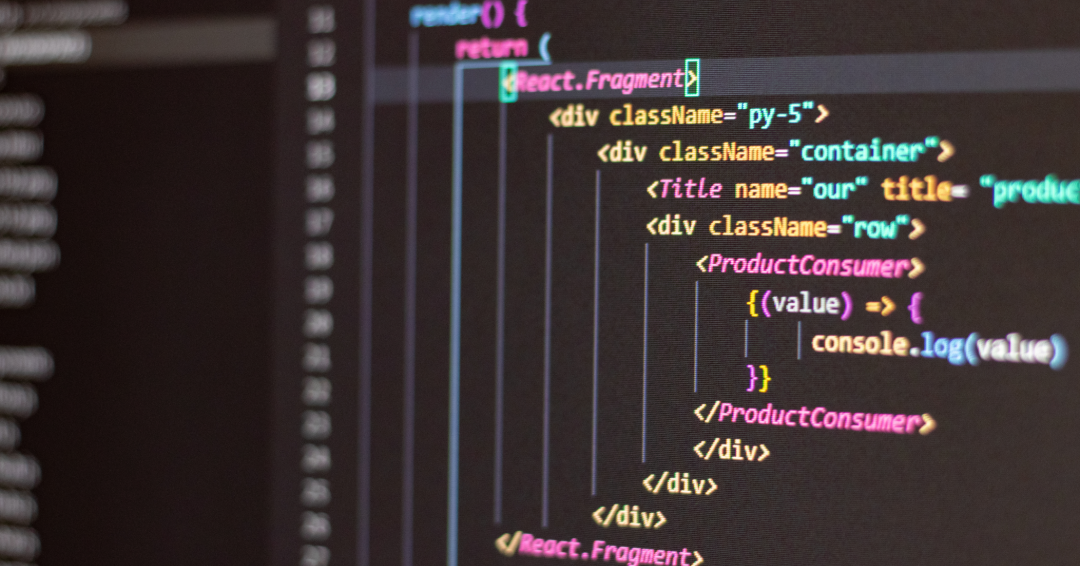
What is Web Development?
Web development is a broad term that encompasses the processes involved in creating and maintaining websites. From simple static pages to complex web applications, web development covers all aspects of building a web presence. In today’s digital world, having an online presence is crucial for businesses, organizations, and individuals. Whether it’s for selling products, providing services, or sharing information, a well-designed website can be a powerful tool.
Types of Web Development
Web development can be divided into three main categories: front-end, back-end, and full-stack development.
Front-end Development
Front-end development focuses on the visual and interactive aspects of a website—the parts that users see and interact with. Key technologies in front-end development include:
- HTML (HyperText Markup Language): The backbone of any website, providing structure and content.
- CSS (Cascading Style Sheets): Responsible for styling and layout, making websites look attractive.
- JavaScript: Adds interactivity and dynamic content, enabling features like animations, forms, and games.
Front-end developers work on creating a seamless and engaging user experience. They ensure that the website is visually appealing, easy to navigate, and responsive across various devices.
Back-end Development
Back-end development is the server-side of web development, dealing with the technology that powers the front end. Key components include:
- Servers: Handle requests and deliver responses to the front end.
- Databases: Store and manage data, such as user information or content.
- APIs (Application Programming Interfaces): Allow different software systems to communicate with each other.
Back-end developers focus on building the logic, databases, and server configurations that make a website functional. They work behind the scenes to ensure that the site operates smoothly, securely, and efficiently.
Full-stack Development
Full-stack developers are versatile professionals who can handle both front-end and back-end development. They have a comprehensive understanding of how the web works and can manage all aspects of a website’s development. Being a full-stack developer can be highly beneficial, as it allows for greater flexibility and control over the entire development process.
Web Development Process
The web development process typically involves several stages:
- Planning and Analysis: Defining the website’s purpose, target audience, and key features.
- Design and Prototyping: Creating wireframes and mockups to visualize the website’s layout and user interface.
- Development and Testing: Writing code, integrating features, and testing for bugs and usability.
- Deployment and Maintenance: Launching the website and ensuring it runs smoothly, with regular updates and improvements.
Popular Web Development Frameworks
Frameworks provide pre-built components and tools that simplify and accelerate the development process. Some popular frameworks include:
- Front-end Frameworks: React, Angular, and Vue.js are widely used for building dynamic user interfaces.
- Back-end Frameworks: Node.js, Django, and Ruby on Rails are popular choices for server-side development.
Web Development Tools
Effective web development requires a range of tools, including:
- Integrated Development Environments (IDEs): Software like Visual Studio Code or Sublime Text, which provide a comprehensive coding environment.
- Version Control Systems: Tools like Git help manage and track changes to code.
- Debugging Tools: Assist developers in identifying and fixing issues in their code.
Trends in Web Development
Web development is an ever-evolving field, with new trends emerging regularly. Some current trends include:
- Progressive Web Apps (PWAs): Web applications that offer a native app-like experience.
- Single Page Applications (SPAs): Websites that load a single HTML page and dynamically update content.
- Motion UI: The use of animations and transitions to enhance user experience.
Web Development Best Practices
To create high-quality websites, developers should follow best practices such as:
- Responsive Design: Ensuring websites work well on all devices and screen sizes.
- SEO Optimization: Making the site search engine-friendly to improve visibility.
- Security Considerations: Protecting the site and user data from threats.
Challenges in Web Development
Web development comes with its own set of challenges, including:
- Cross-browser Compatibility: Ensuring the website works across different web browsers.
- Performance Optimization: Speeding up the website to provide a better user experience.
- Staying Updated with New Technologies: The fast pace of technological advancements requires continuous learning.
The Future of Web Development
The future of web development looks promising, with several exciting trends on the horizon:
- AI and Machine Learning Integration: Enhancing user experiences through personalization and automation.
- The Rise of No-code/Low-code Platforms: Making web development accessible to non-developers.
- Increased Focus on User Experience (UX): Prioritizing usability and accessibility.
Web Development as a Career
A career in web development can be rewarding and dynamic. Key skills include proficiency in programming languages, problem-solving abilities, and creativity. There are various career paths, from specializing in front-end or back-end development to becoming a full-stack developer. Continuous learning is essential, as the field constantly evolves.
Conclusion
Web development is a fascinating and essential field that plays a crucial role in the digital world. It involves a blend of creativity, technical skills, and problem-solving abilities. Whether you’re looking to build a personal blog or a complex web application, understanding the basics of web development can open up numerous opportunities.
FAQs
- What is the difference between front-end and back-end development? Front-end development deals with the visual and interactive aspects of a website, while back-end development focuses on the server-side logic, databases, and application functionality.
- How do I start a career in web development? Start by learning key web technologies like HTML, CSS, and JavaScript. Build projects to showcase your skills, and consider taking courses or earning certifications.
- What programming languages should I learn for web development? For front-end development, HTML, CSS, and JavaScript are essential. For back-end, consider learning languages like Python, Ruby, PHP, or JavaScript with Node.js.
- What is the role of a full-stack developer? A full-stack developer handles both front-end and back-end development, managing all aspects of a website or application’s creation.
- How can I stay updated with the latest trends in web development? Follow industry blogs, participate in online communities, attend webinars and conferences, and continuously learn new technologies and tools.