
Subtotal ₨ 0
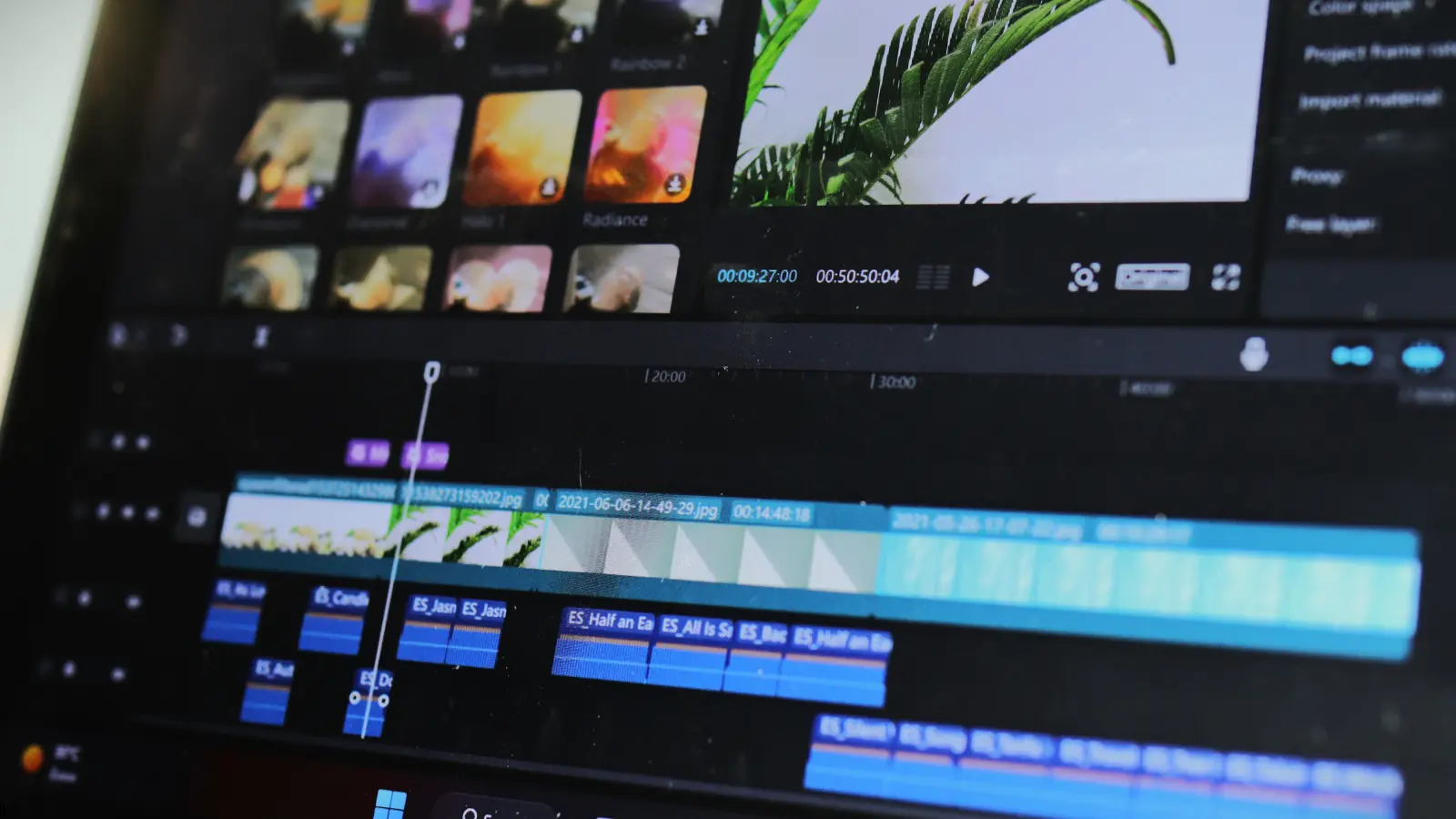
Exploring the Artistry of Video Editing
The realm of video editing is a mesmerizing and indispensable craft in our contemporary digital milieu. This intricate process involves the manipulation and rearrangement of video fragments to forge a novel creation. From intimate home videos to elaborate cinematic productions, video editing breathes life into narratives. Let’s delve into the essence of video editing, its tools, techniques, and its paramount importance.
1. An Inception to Video Editing
Video editing encompasses the slicing, trimming, and organizing of video clips, along with the integration of effects, transitions, and soundscapes to augment the final product. It transcends mere juxtaposition of footage, weaving a cohesive narrative that captivates the audience.
2. The Evolution of Video Editing
Early Beginnings
The journey of video editing traces back to the nascent days of cinema, where editors meticulously cut and spliced physical film reels—a laborious and time-consuming endeavor.
Transition to Digital
The advent of digital technology heralded a revolution in video editing. The emergence of digital non-linear editing (NLE) systems in the 1990s enabled editors to manipulate videos on computers, vastly expediting and streamlining the process.
3. Core Concepts of Video Editing
Cutting and Trimming
Cutting and trimming are the bedrock of video editing. Cutting entails segmenting the footage, whereas trimming fine-tunes the starting and ending points of a clip.
Transitions
Transitions are visual effects that facilitate the seamless switch from one scene to another. Common transitions encompass cuts, fades, and wipes.
Effects and Filters
Effects and filters embellish the visual allure of the video. They can impart a distinctive aesthetic, rectify color discrepancies, or conjure special effects.
Audio Editing
Audio constitutes a pivotal element of video editing. This facet involves synchronizing sound with visuals, modulating audio levels, and incorporating sound effects and music.
4. Arsenal of Tools
Software Options
A plethora of software caters to varying skill levels and budgets:
- Adobe Premiere Pro: A professional-grade software ubiquitous in the film industry.
- Final Cut Pro: Favored among Mac users.
- iMovie: An intuitive option for novices.
- DaVinci Resolve: Renowned for its robust color correction capabilities.
Hardware Requirements
A formidable computer with a potent processor, ample RAM, and a high-quality graphics card is indispensable for fluid video editing. External storage drives and dual monitors also enhance workspace efficiency.
5. Techniques in Video Editing
Montage
A montage is a series of brief clips orchestrated to music, conveying a theme or passage of time.
Continuity Editing
Continuity editing ensures a seamless flow of shots, preserving the narrative’s reality and consistency.
Jump Cuts
Jump cuts are abrupt transitions between scenes, often employed to evoke urgency or disorientation.
Cross-Cutting
Cross-cutting, or parallel editing, interweaves multiple scenes occurring simultaneously.
6. The Role of a Video Editor
Storytelling
A video editor is akin to a storyteller, sculpting the narrative, pacing, and emotional tone of the video.
Collaboration
Editors collaborate closely with directors, producers, and other team members to ensure the final product aligns with the creative vision.
Problem Solving
Editing frequently involves resolving creative and technical challenges to achieve the desired outcome.
7. The Significance of Video Editing
Enhances Quality
Proficient editing elevates the video’s quality, rendering it more engaging and professional.
Communicates Messages Effectively
Editing aids in conveying messages clearly and effectively, whether for entertainment, education, or marketing purposes.
Creates Emotional Impact
A well-crafted video can evoke emotions, rendering the content memorable and impactful.
8. The Future of Video Editing
AI and Automation
Artificial intelligence and machine learning are beginning to influence video editing, automating tasks and suggesting edits based on content analysis.
Virtual Reality and 360-Degree Videos
The emergence of VR and 360-degree videos presents novel challenges and opportunities for editors to craft immersive experiences.
Cloud-Based Editing
Cloud-based editing facilitates remote collaboration and access to powerful tools without the need for expensive hardware.
Conclusion
Video editing is a dynamic and creative endeavor that transforms raw footage into compelling narratives. It is an essential skill in the digital age, with applications spanning from filmmaking to marketing. As technology continues to evolve, the horizons for video editing expand, promising exhilarating advancements in the years ahead.
FAQs
- What is the difference between linear and non-linear editing?
Linear editing involves sequentially editing footage, while non-linear editing offers greater flexibility, allowing changes at any point without affecting other segments.
- Can I edit videos on my smartphone?
Yes, several mobile apps like Adobe Premiere Rush and iMovie facilitate basic video editing on smartphones.
- How long does it take to become proficient in video editing?
The time to achieve proficiency in video editing varies, but with consistent practice, one can grasp the basics within a few months.
- What skills are essential for a video editor?
Crucial skills for a video editor include creativity, attention to detail, technical proficiency with editing software, and a solid understanding of storytelling.
- Is video editing a good career?
Indeed, video editing is a promising career with opportunities in diverse industries such as film, television, advertising, and online content creation.
Gul Nawaz
Very good👍